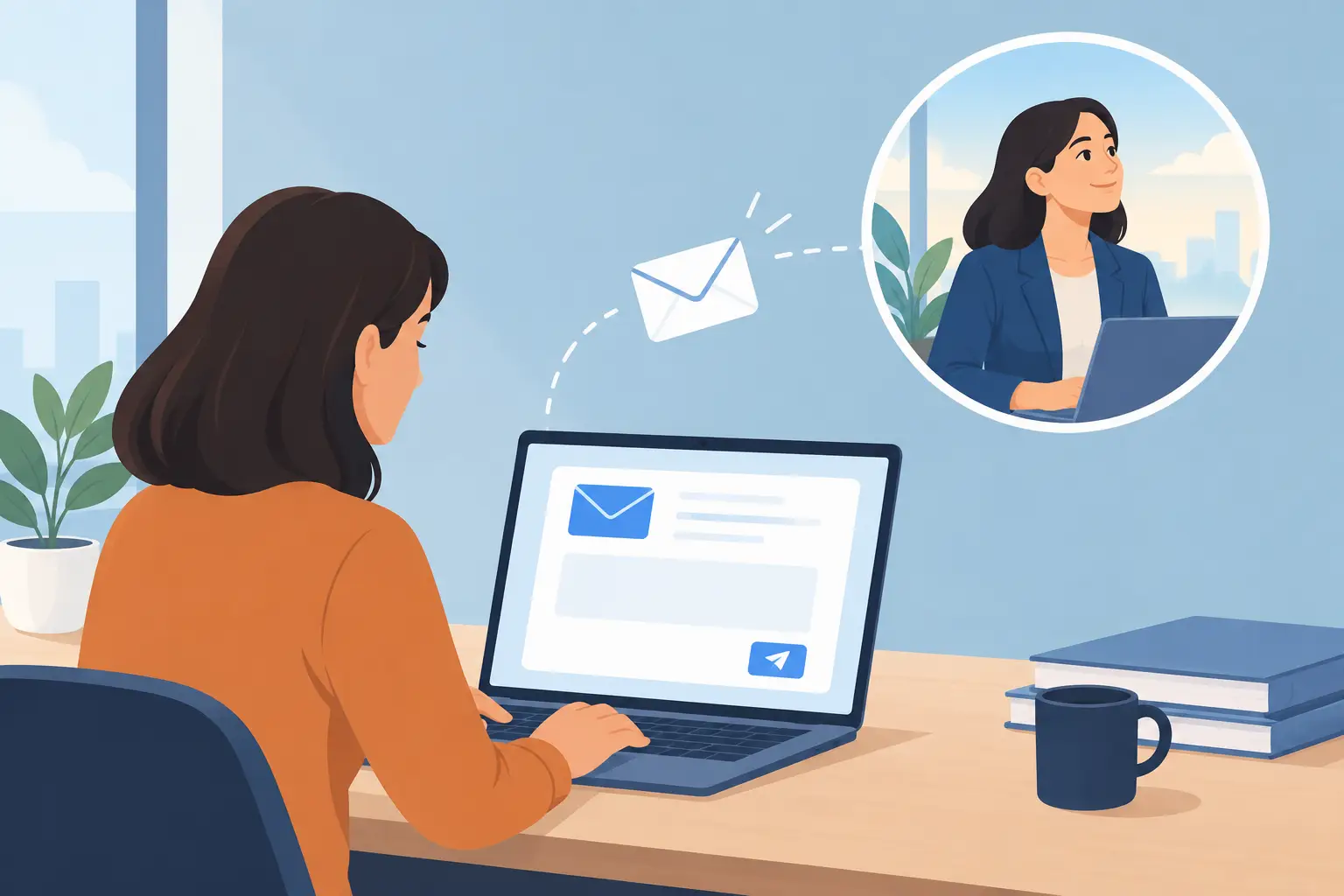
A message written today can meet you at exactly the right moment years from now. When you send email to future self, you create more than a reminder on a calendar. You give a future version of yourself a record of what mattered, what you hoped for, and what life looked like before the next chapter began.
The best future messages are not perfect or overly polished. They are honest, specific, and tied to a date that means something. A birthday, graduation, new job, anniversary, retirement date, or the day your child becomes an adult can turn a simple email into a meaningful experience.
Why Send Email to Future Self?
Most of us save photos, notes, and videos with good intentions. Then they disappear into a crowded phone, an old inbox, or a cloud folder no one remembers to open. A scheduled message has a different purpose. It is created to be received.
Writing to your future self also creates room for reflection. You might describe the home you live in, the people around your table, the worries keeping you awake, or the small routines that make an ordinary day feel full. Details that seem unremarkable now often become the details you are most grateful to revisit.
There is also value in hearing from your past self without editing the memory. A message written during a major transition can remind you how far you have come. A note written during a happy season can preserve its warmth. A message written in a difficult time can carry forward the strength it took to keep going.
Start With One Clear Reason
Before you choose a delivery date, decide why you are writing. A clear reason helps the message feel personal instead of vague.
You may want to encourage yourself before a future challenge. You may be marking the first day in a new home, a milestone birthday, or a promise you want to remember. Parents may want to capture what their children are like right now, while grandparents may want to preserve stories they have told for years but never written down.
The reason does not need to be dramatic. You could write, “Open this on the first day of retirement,” or, “Read this when you are feeling unsure of yourself.” A focused purpose gives your future self context before they read the first full sentence.
If you are creating a message during a stressful period, avoid putting pressure on the person you will become. Rather than demanding that they have accomplished a particular goal, offer understanding. Try writing what you hope they have learned, what you want them to remember, and what you are proud of them for handling today.
Choose a Date Worth Waiting For
The delivery date is part of the message. It shapes how the email will be received.
A date one year away works well for annual reflection. You can write about current goals, relationships, and hopes, then see what changed. Five, 10, or 20 years can be especially meaningful for family milestones. A message set to arrive on a child’s 18th birthday, a wedding anniversary, or a future holiday can become a planned moment of connection.
It depends on what you want the message to do. Shorter timelines are useful for encouragement, accountability, and reflection. Longer timelines are better for preserving a season of life or sharing something that should arrive when a loved one is older.
Choose a date you can name in the message itself. “It is June 2031 as I write this,” creates a stronger bridge across time than a general note with no sense of when it began.
Write What a Future You Will Want to Know
A meaningful message does not need elegant language. It needs real details. Write as though you are sitting across from your future self, catching them up after a long time apart.
Begin with the present. Describe your age, where you live, who is in your daily life, and what your days feel like. Mention the music you keep playing, the meal everyone asks for, the project you are working on, or the funny thing a child said this week. These small facts bring a memory back to life.
Then make room for the deeper part of the message. What are you learning? What do you fear? What do you hope will still be true when this arrives? You may want to share advice, but gentle encouragement usually lasts longer than a list of expectations.
For example, instead of writing, “You should have figured everything out by now,” try, “I hope you have given yourself credit for the life you have built.” That sentence leaves room for life to change while still offering care.
If you are writing for a future family member, explain the story behind the message. Tell them why you chose this date, what you admire about them now, and what you want them to carry with them. A message does not have to solve every question or capture every memory. One truthful story can be enough.
Add a Video When Your Voice Matters
Written words are lasting, but a short video can preserve something a page cannot: your voice, expressions, and presence. A video does not need professional lighting or a rehearsed script. In fact, the quiet, everyday quality is often what makes it valuable later.
Speak slowly and keep it simple. Introduce yourself and the date. Share one memory, one hope, or one lesson you want the recipient to hear in your own voice. If you are recording for a child or grandchild, say their name and explain what you love about this particular season of their life.
Consider the setting, but do not wait for the perfect one. A video filmed at the kitchen table, in the backyard, or during a family gathering can become a vivid piece of history. What matters is that it is intentional and understandable.
Make Delivery Dependable
A future message only works if it reaches the right person at the right time. That is why ordinary draft folders and calendar reminders are not always enough. They can be lost when email addresses change, devices are replaced, or accounts are no longer checked.
Use a service designed for scheduled delivery and keep your account details current. Confirm the email address connected to delivery, use a strong password, and review your planned messages when major life changes occur. If a message is meant for family, make sure each recipient’s email is accurate and verified.
MyTimeDrop securely sends your digital time capsules as written messages and videos to your future self or designated family members. Its family verification process helps make sure meaningful messages are directed to the people you intended, rather than left waiting in a folder for someone to find.
There is a trade-off with any long-term plan: the farther away the date, the more likely contact information may change. That does not mean you should avoid long-term messages. It means you should build in a simple habit of reviewing your account and recipient details from time to time.
Give Yourself Permission to Be Honest
People often delay writing because they think a future message must be wise, sentimental, or complete. It does not. Your future self will not be looking for perfection. They will be looking for you.
Write the message you can write today. It may be a few paragraphs after everyone else has gone to bed. It may be a quick video before a milestone weekend. It may be a note about a moment you do not want to lose.
Years from now, the greatest gift may not be the advice you gave. It may be the reminder that someone - your earlier self - took the time to remember this day and send a little care forward.